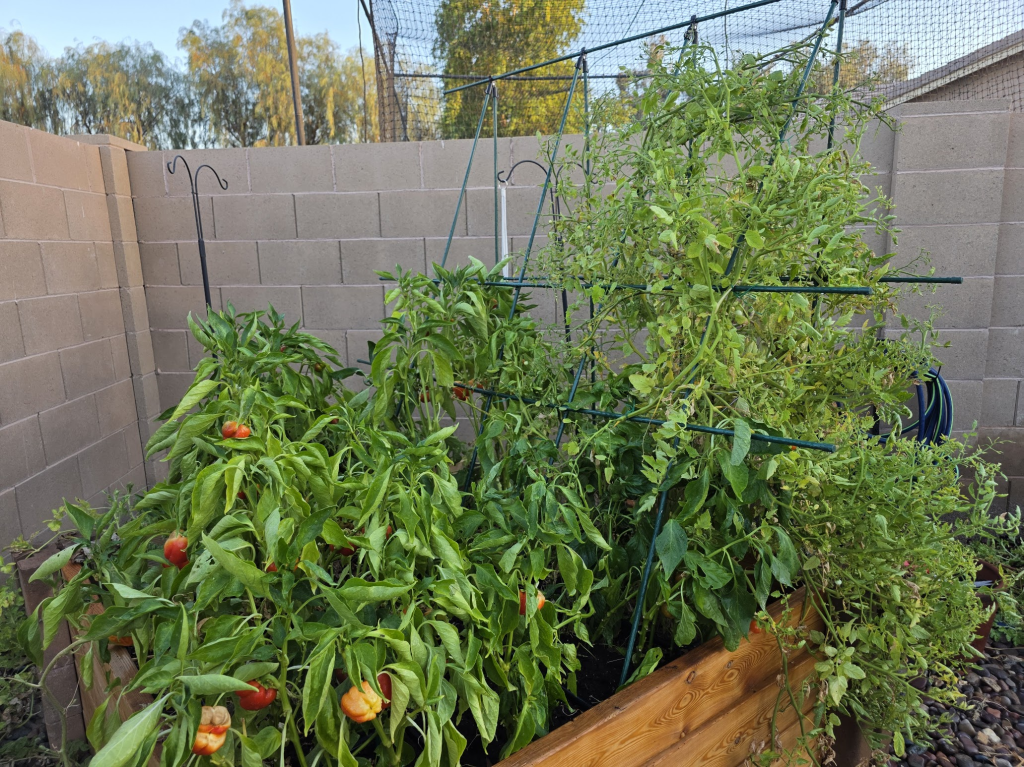
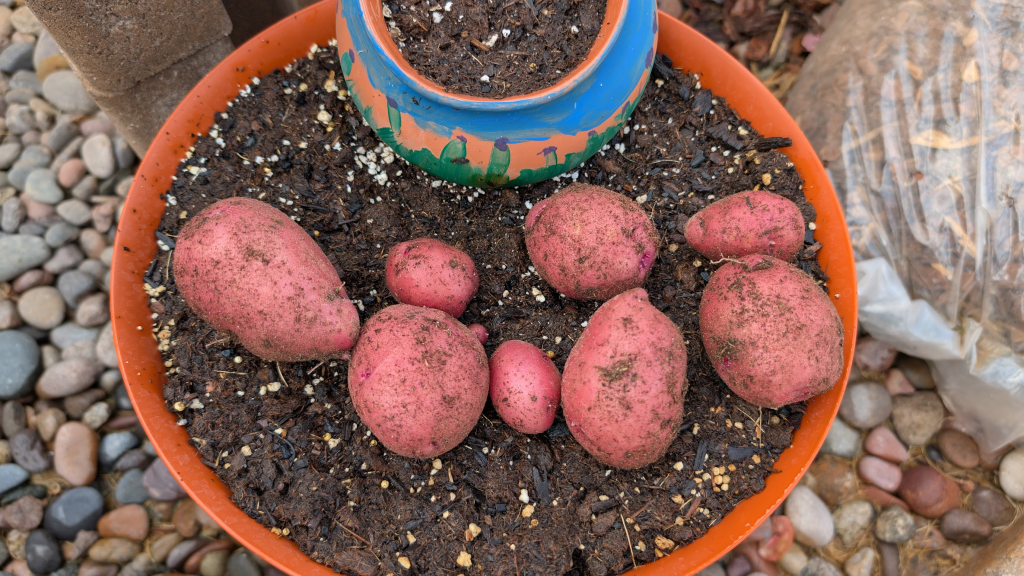
After the peppers and the potatoes, I was hooked.
Coming off the success of the bell peppers, I felt bold. Like I could grow anything. So I did what any reasonable person would do: I built two more garden beds and started planting… everything.
Corn. Beans. Strawberries. Herbs. Jalapeños. Tomatoes. Sunflowers. Watermelon. Pumpkins. Random flowers for the bees.
All the things.
In hindsight, I may have been a little… aggressive.
Some Things Thrived
Not everything was a disaster. Some things did amazingly well.
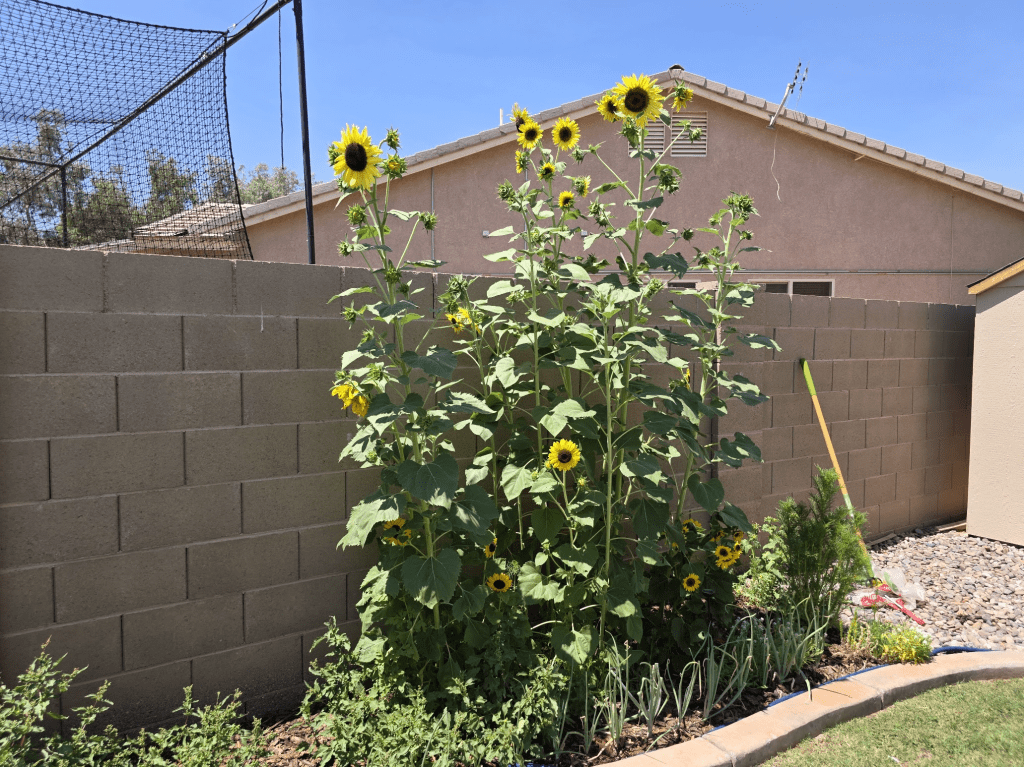
The sunflowers were incredible — tall, bright, and honestly just made the whole yard feel happier.
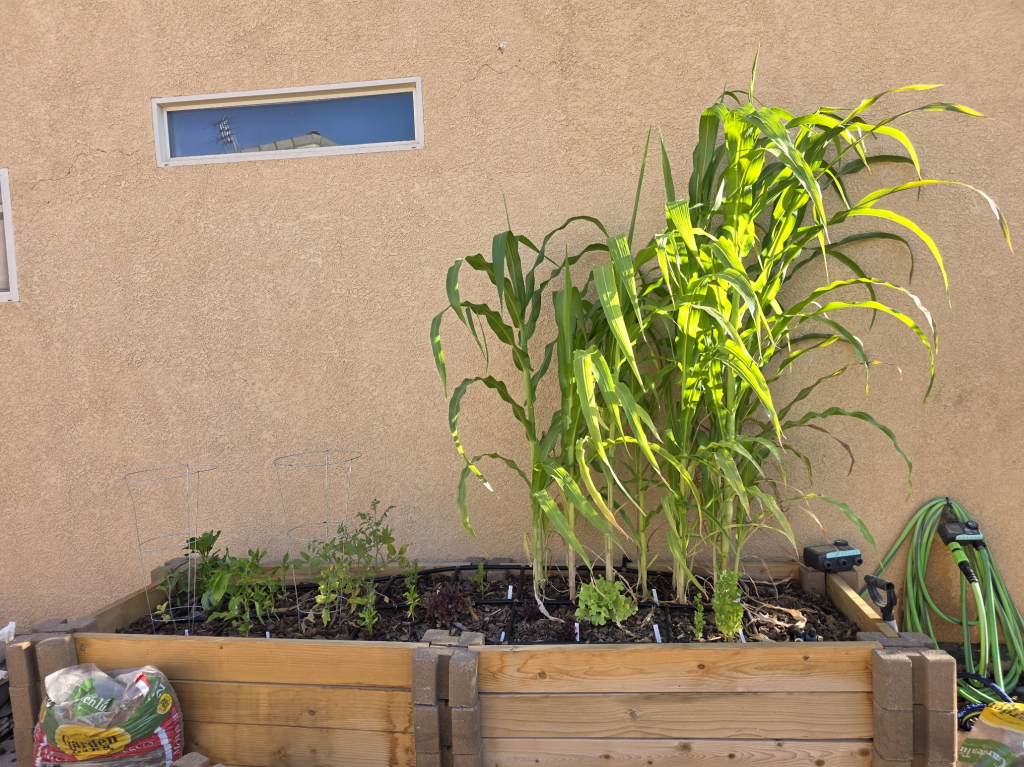
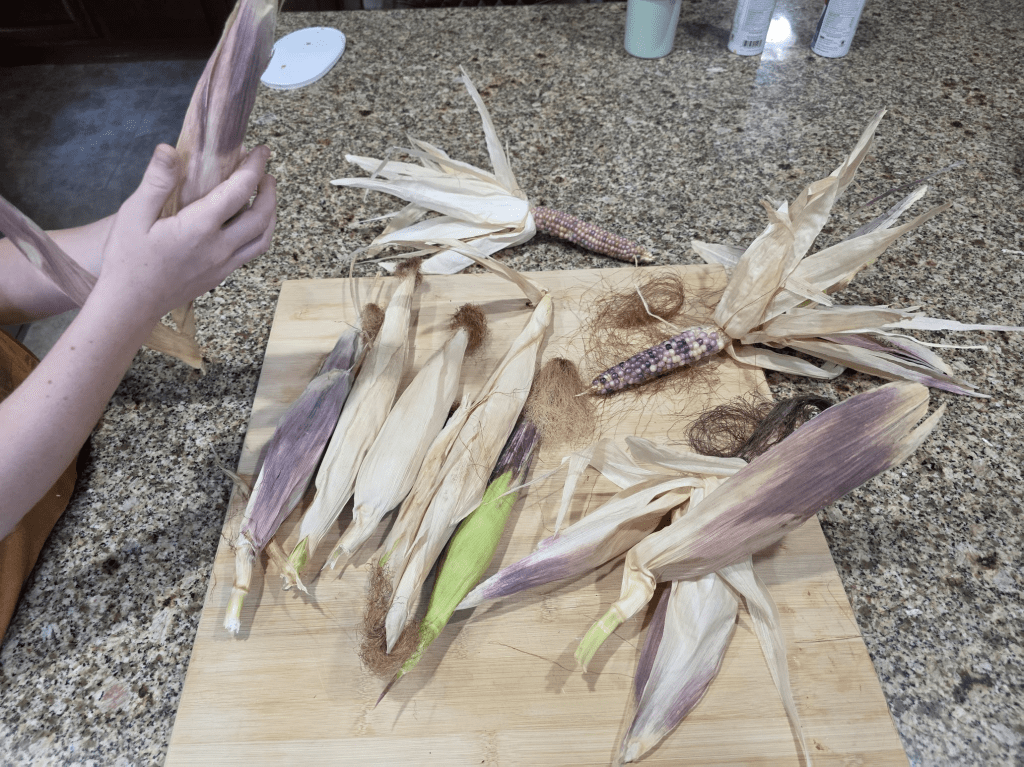
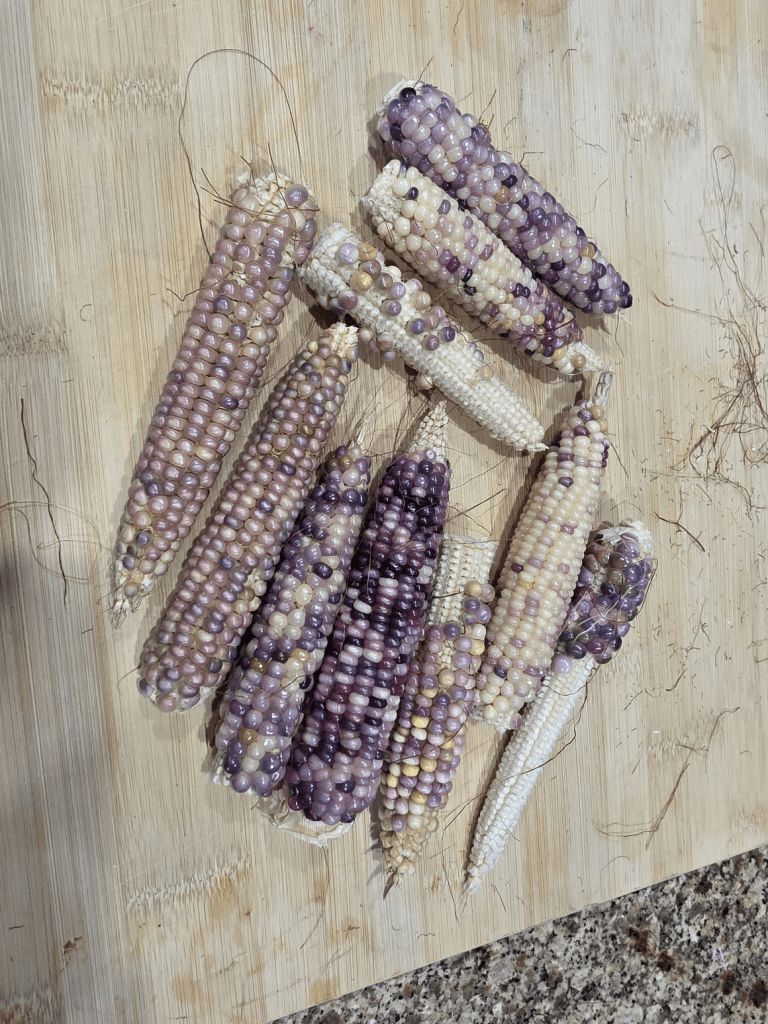
The corn grew so tall it was taller than me, which was extremely fun and made me feel like I was living in a tiny farm movie. It only produced about six actual ears of corn, but I’m still counting it as a win.
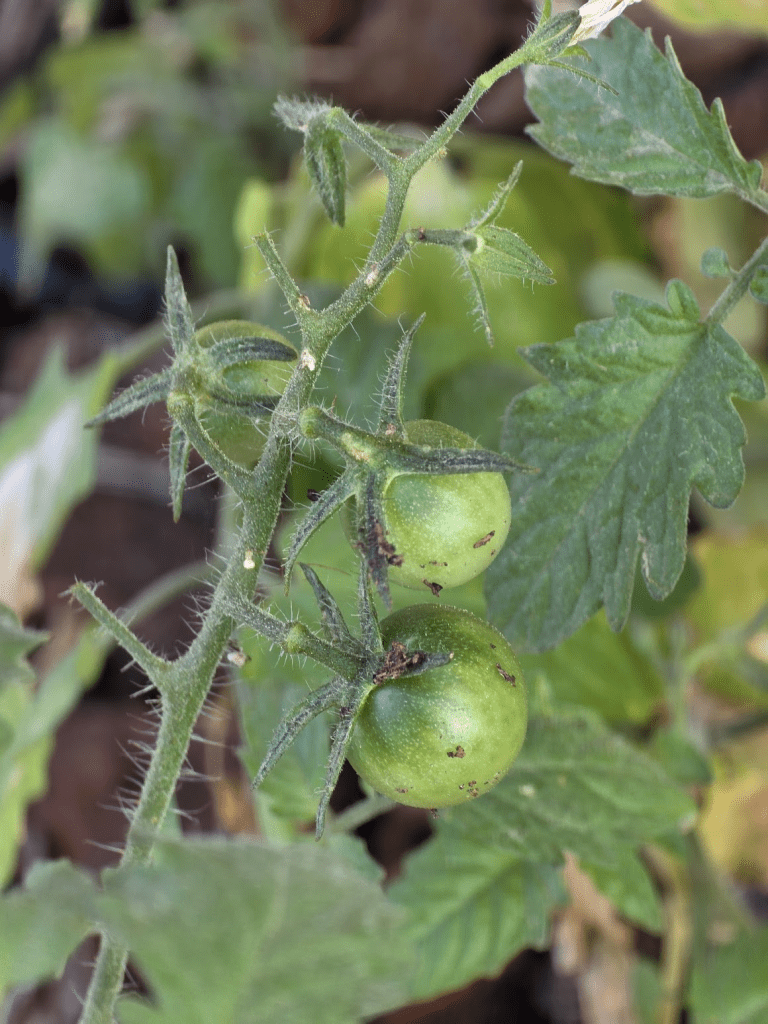
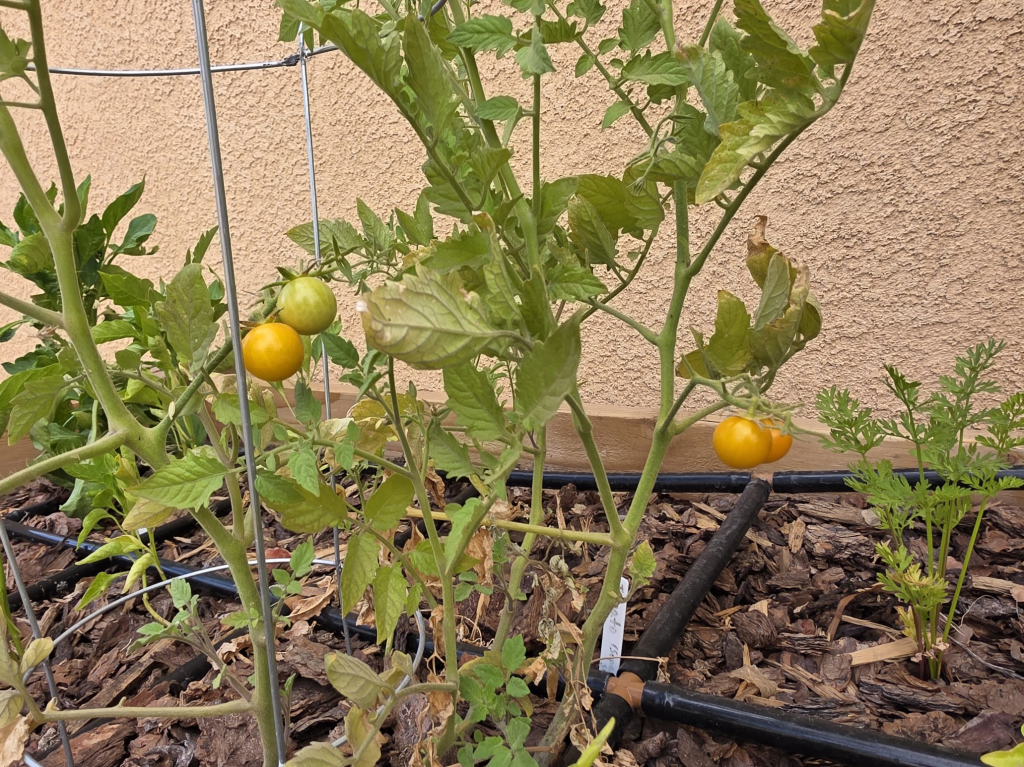
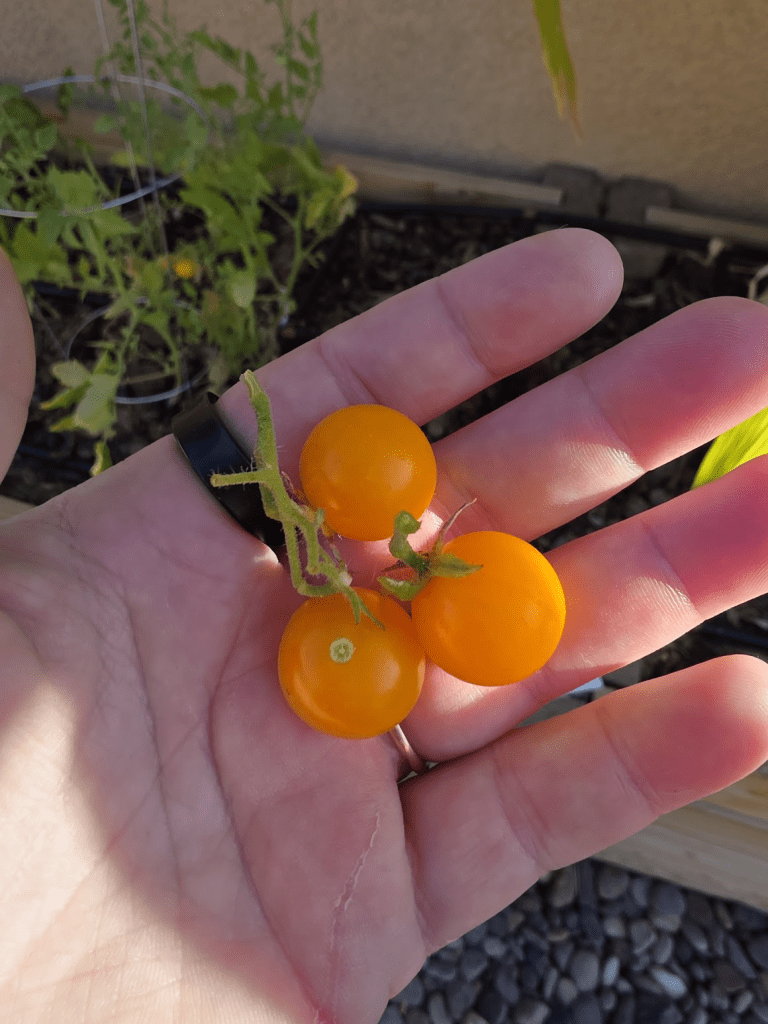
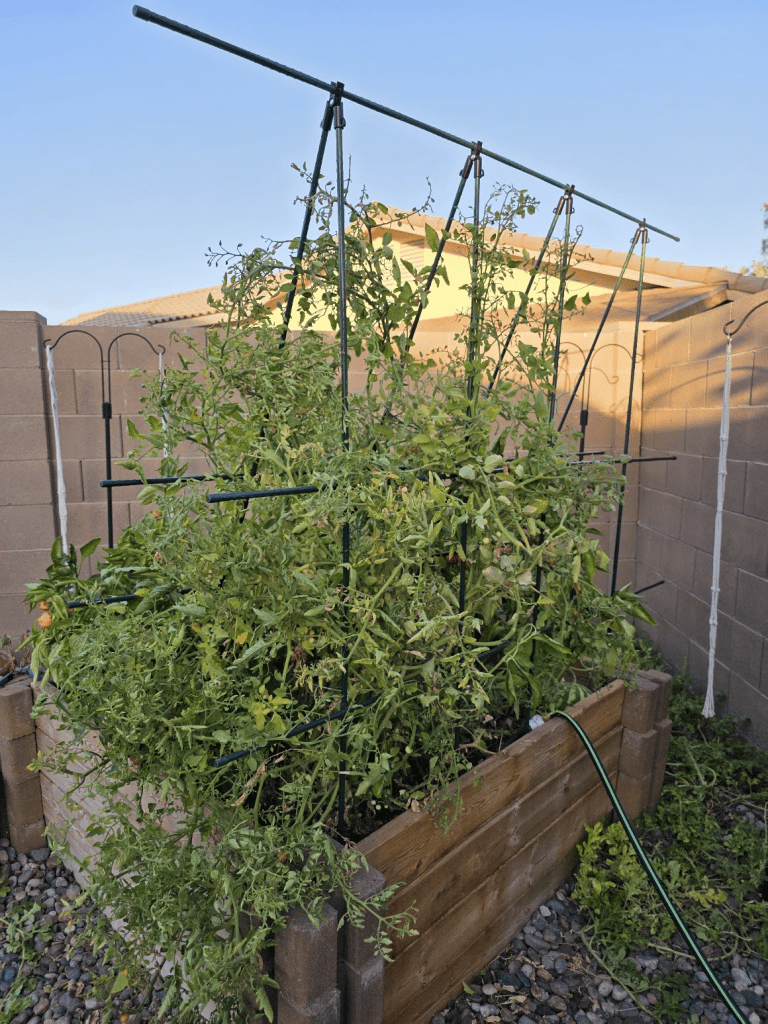
The tomatoes absolutely exploded. I planted two varieties of cherry tomatoes and ended up with more tomatoes than I knew what to do with. They grew huge, wild, and completely out of control. In retrospect, I wish I had planted something more useful for everyday cooking — like Roma tomatoes — but the cherry tomatoes were delicious.
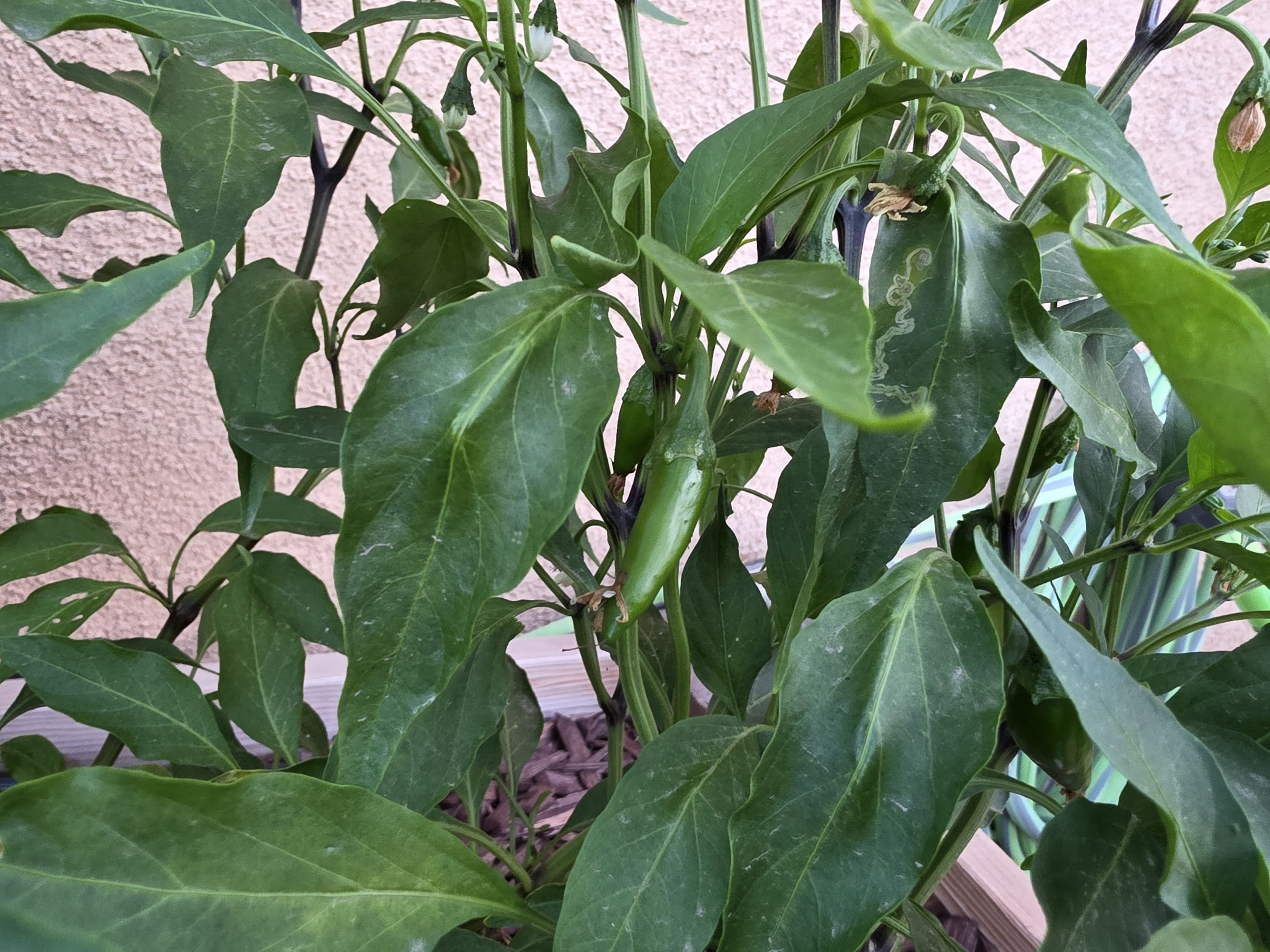
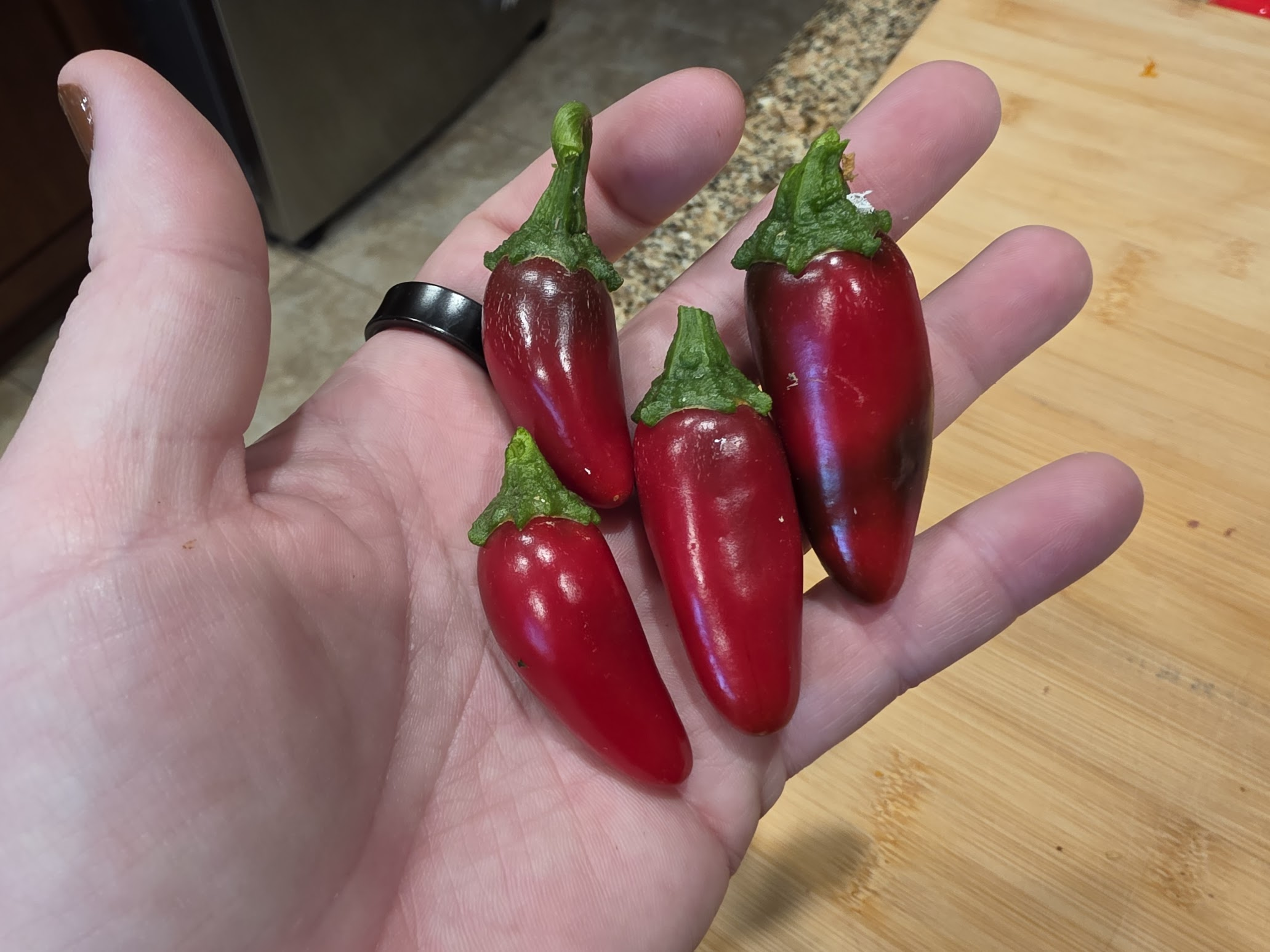
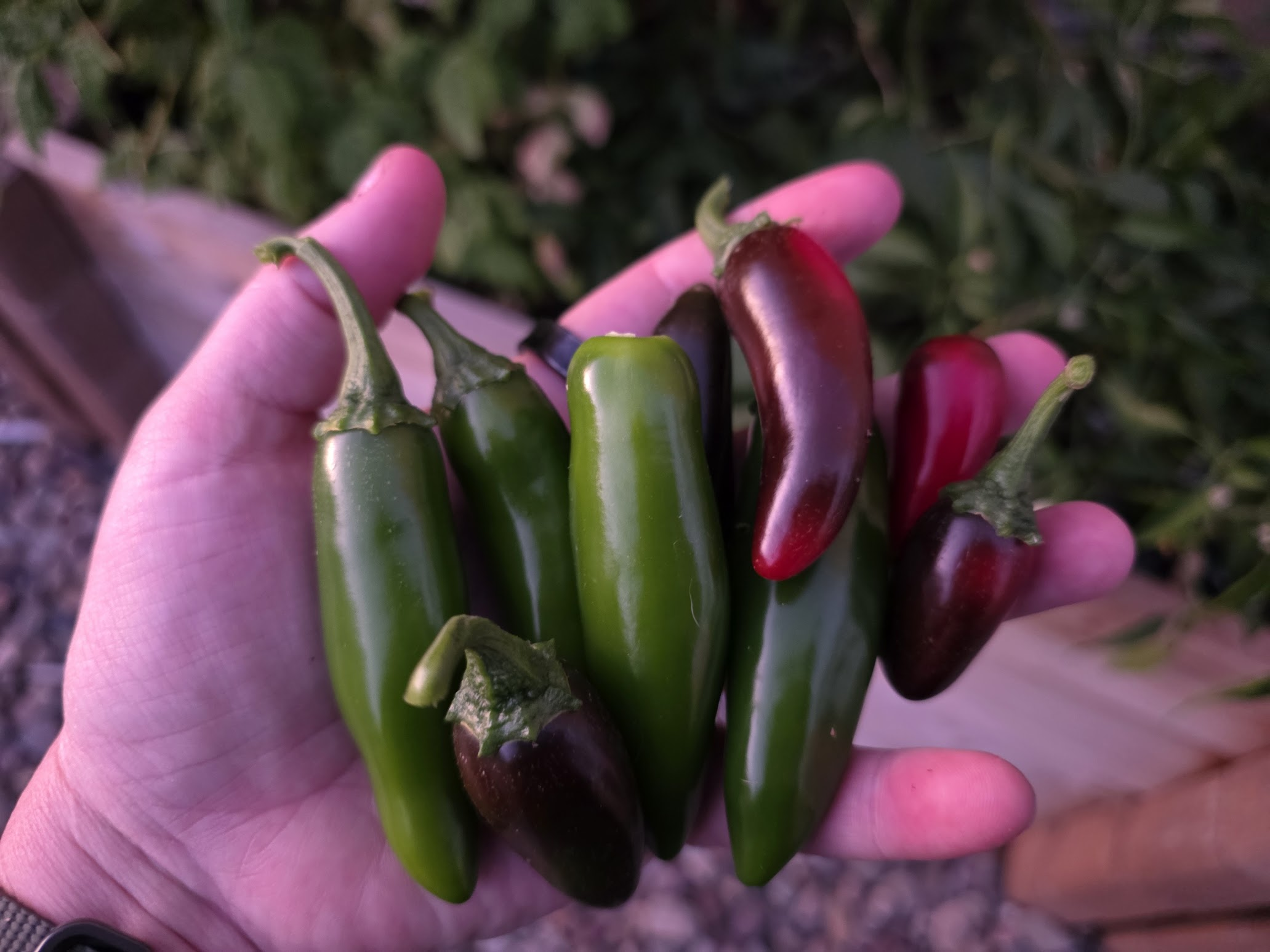
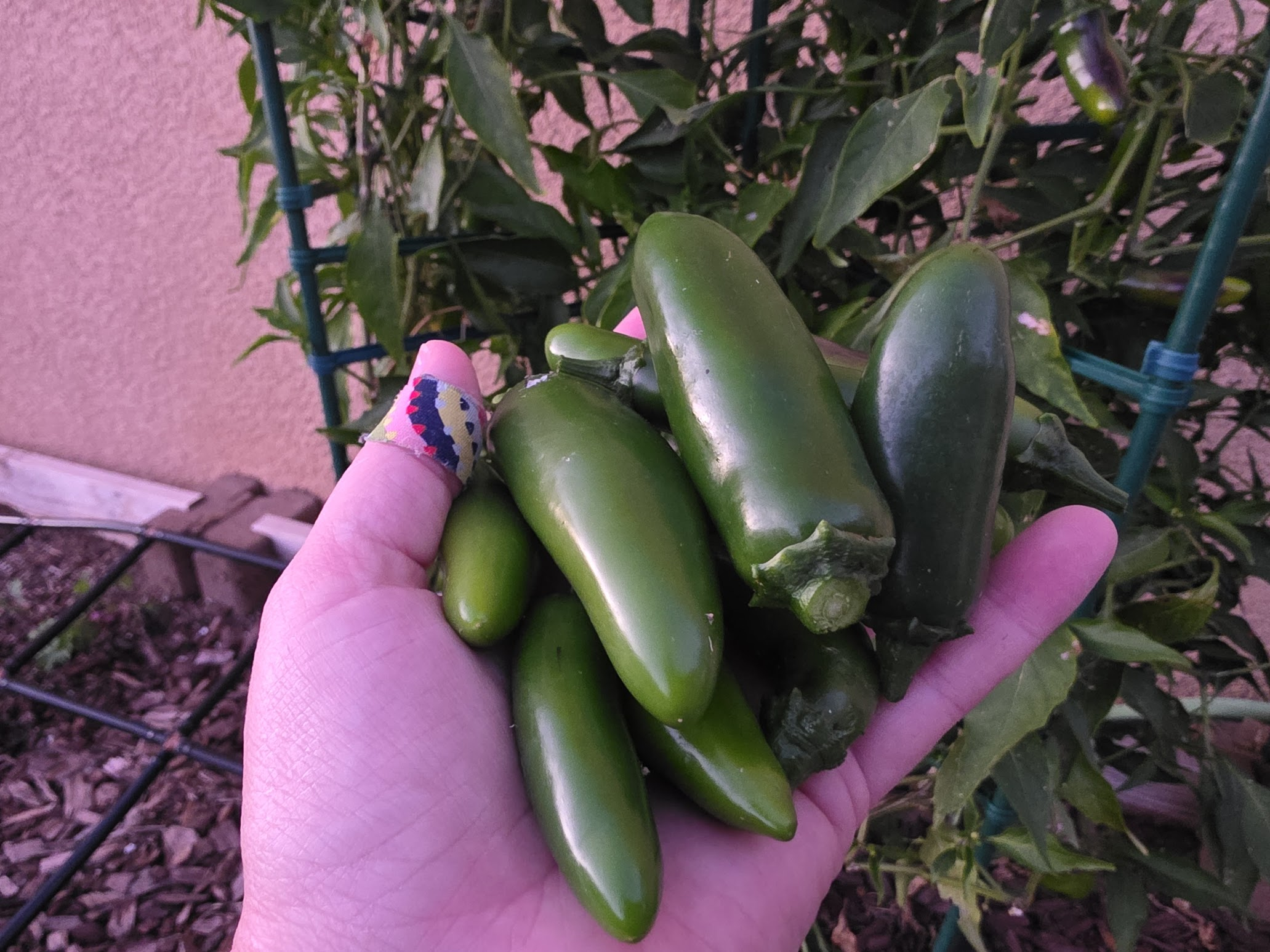
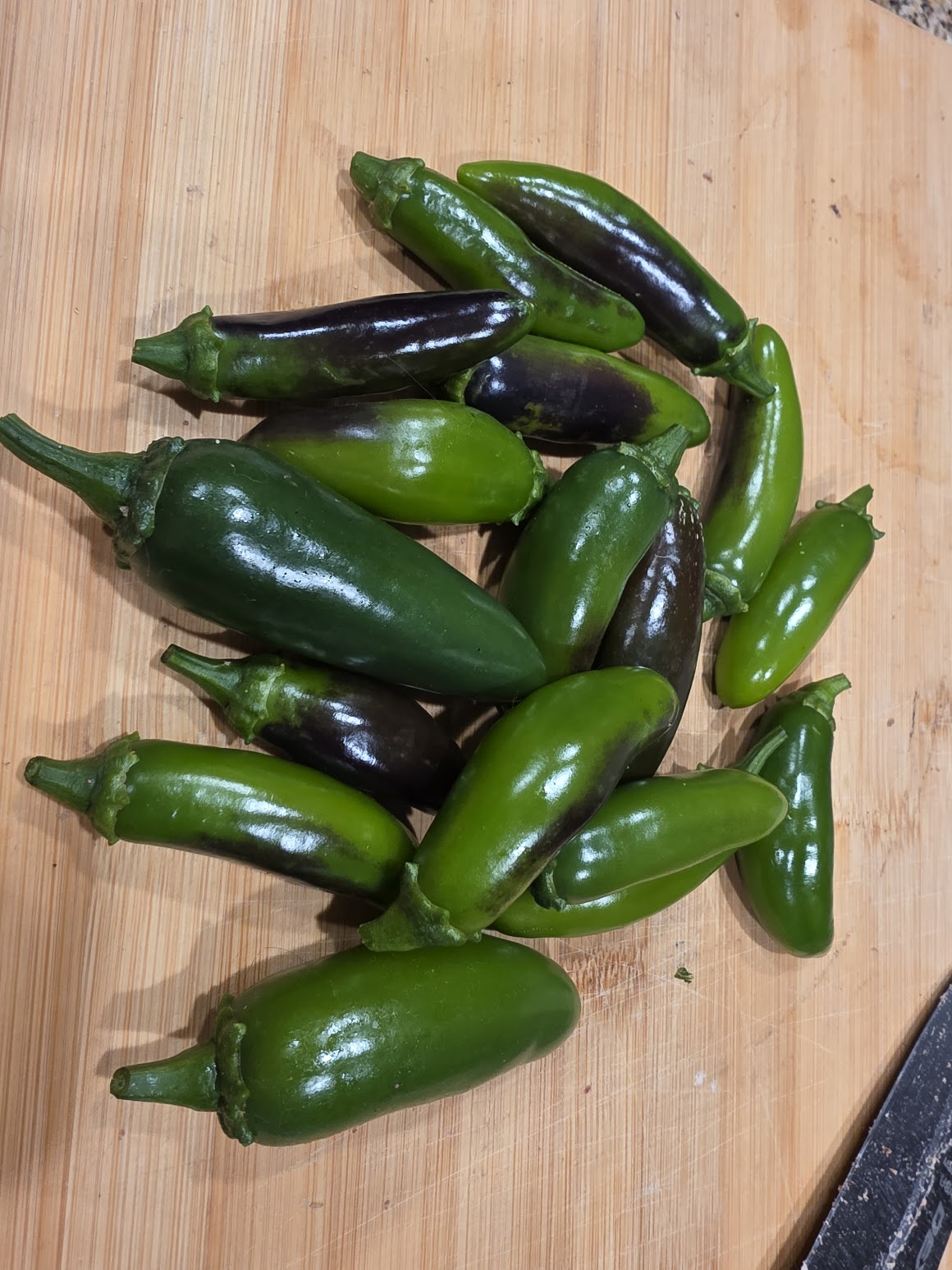
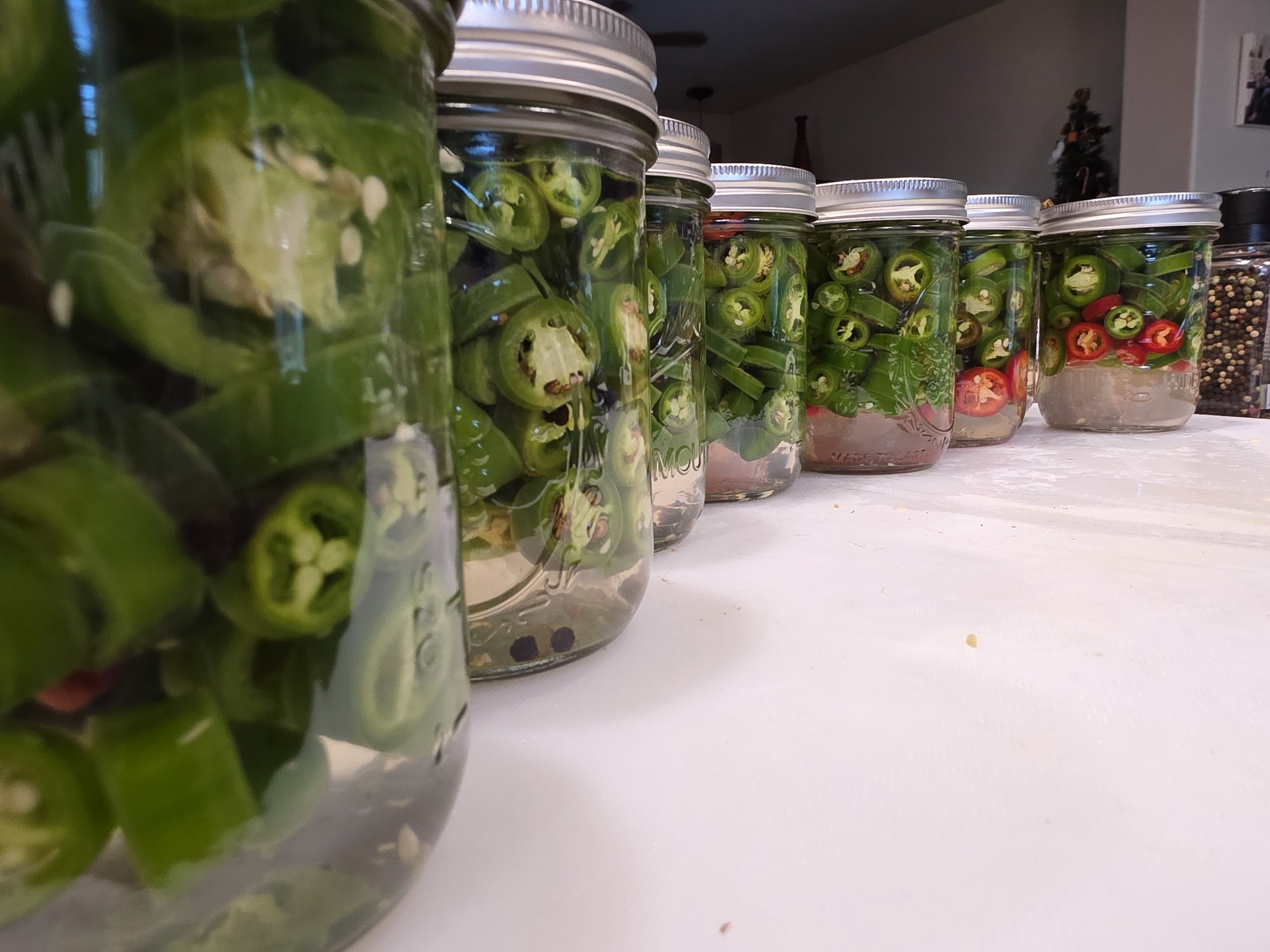
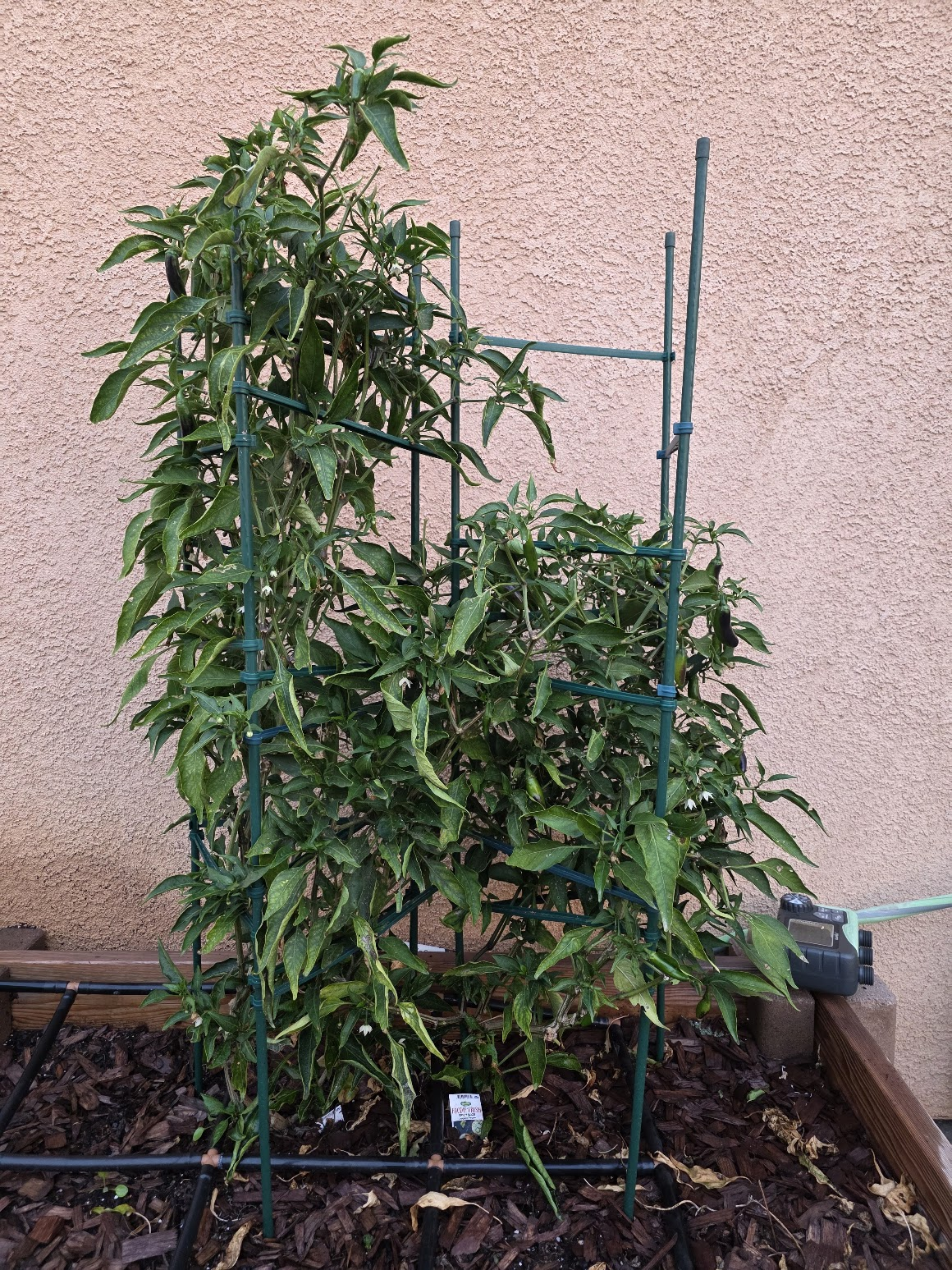
And the jalapeños? Those were a huge success. I’ve canned about 18 jars of them, and fed a whole bunch more to my husband and the chickens.
Some Things… Did Not
The beans grew these long, beautiful vines and rewarded me with approximately ten beans.
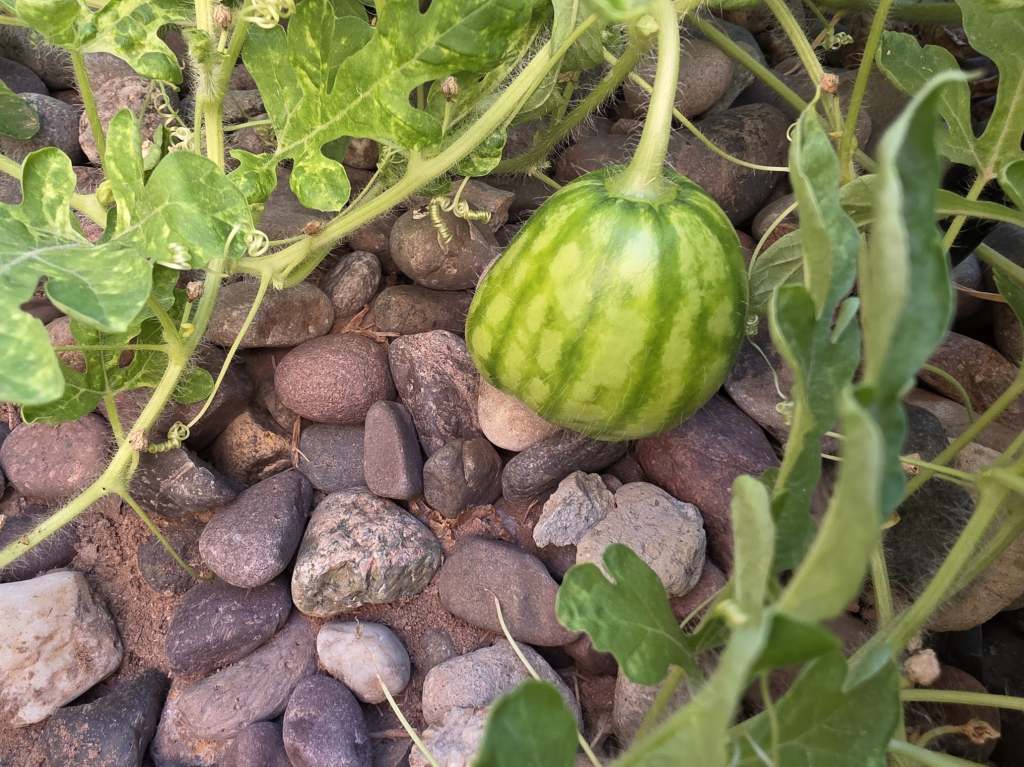
The watermelons were looking so promising — I had two growing — and then, before they were full sized, they split open and the bugs got to them.
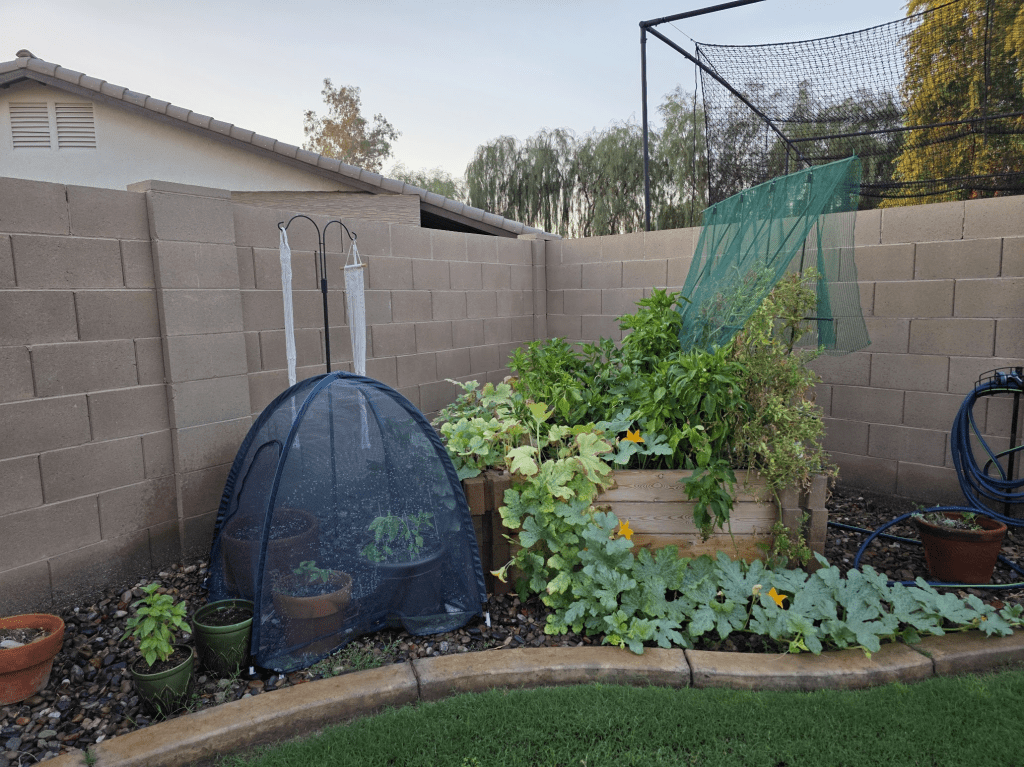
The pumpkins grew enormous vines and never produced a single pumpkin.
The strawberries got too hot and died, which genuinely made me sad.
I also tried blackberries, and they died pretty fast too — which hurt extra because I have big dreams of one day having a berry patch. My daughter loves berries, and we buy so many every week. It would be amazing to grow even some of that in the backyard someday.
What I Was Really Doing
Looking back, I wasn’t really “planning a garden.”
I was experimenting.
I was putting things in the ground to see what would happen. And honestly? That was exactly what I needed to do my first year.
Not everything works. Some things surprise you. Some things teach you what not to do next time.
And some things feed your family — and your chickens.
The Daily Rhythm
I learned to check on the garden every day.
To make sure the automatic watering was working and there were no clogs — especially during the Arizona summer. To look for bugs. To notice what looked happy and what didn’t.
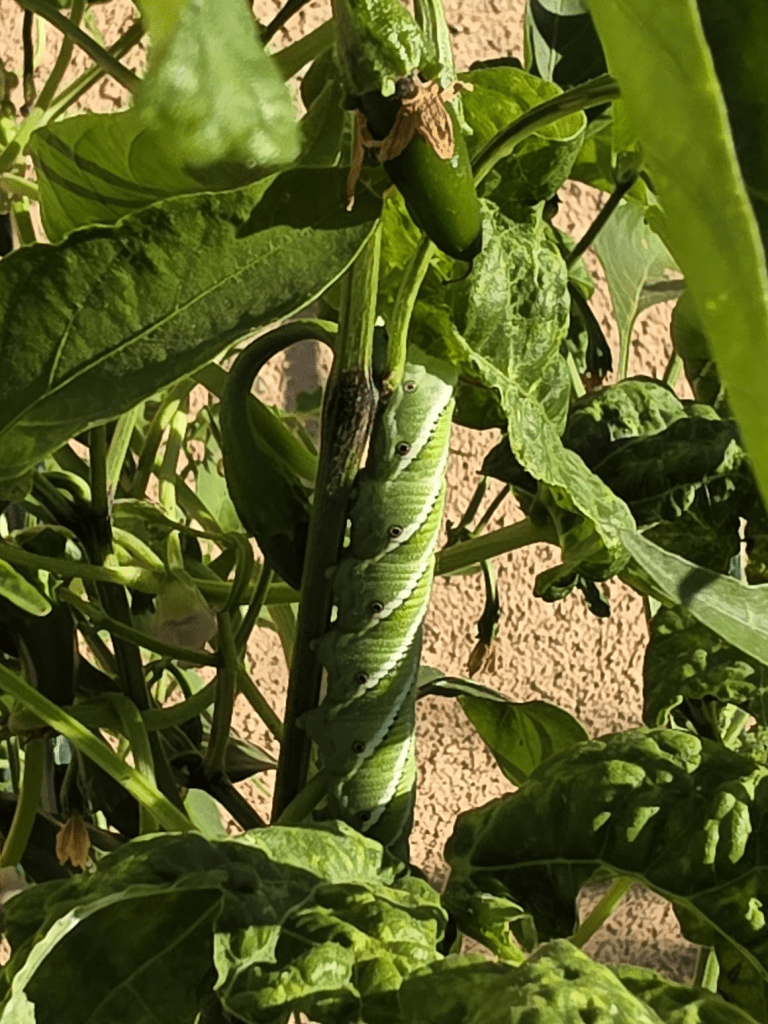
I learned a lot about bugs. I did a lot of Googling. I found terrifyingly large hornworms in my tomatoes. I thanked the spiders and welcomed them as new garden employees.
The Work Behind It All
It was also a lot of work.
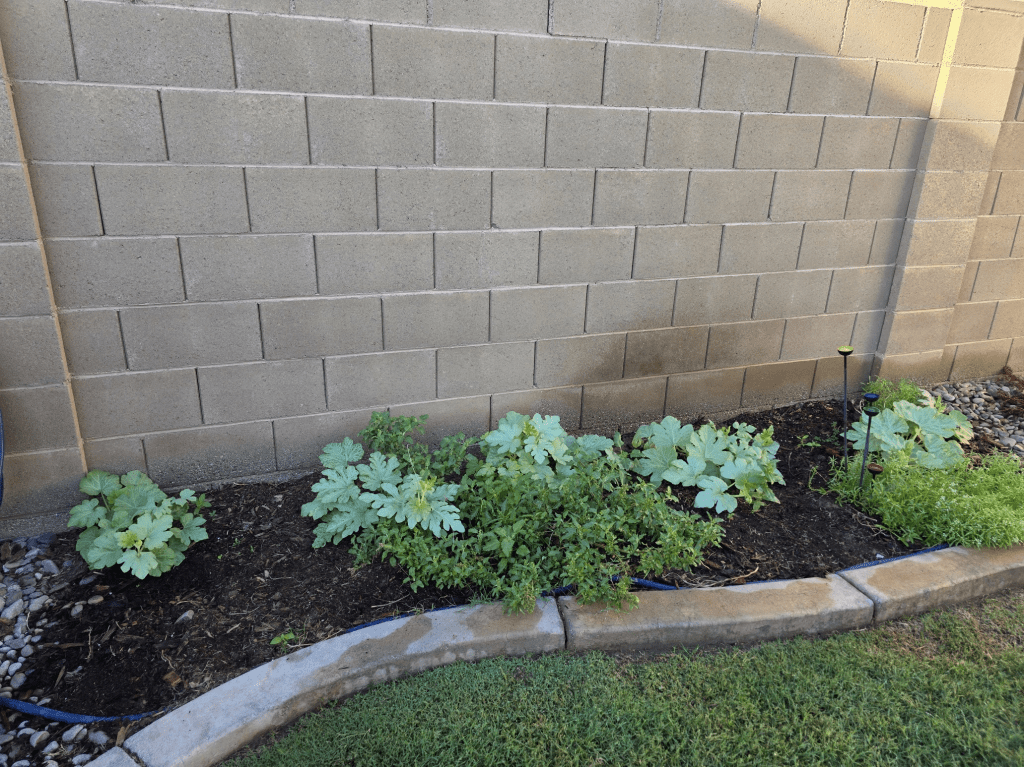
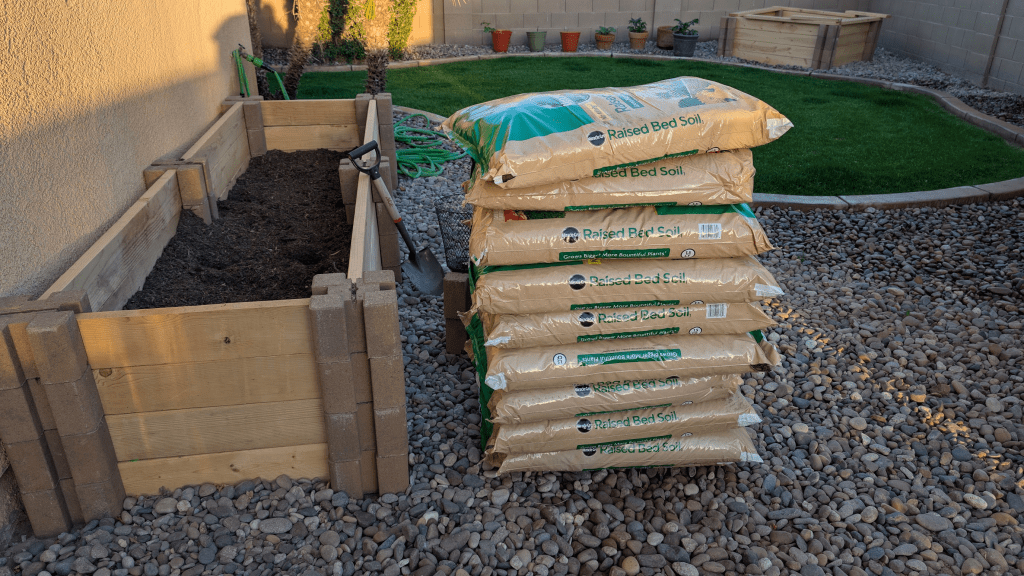
I built new beds. Hauled dozens of bags of soil. Worked the ground to break up Arizona’s clay. I sweat a lot. I hurt myself a few times. I found weird bugs and even weirder spiders.
I also discovered that mulch is magical — especially when you have a neighborhood stray cat problem. (Probably a whole separate post.) Mulch turns out to be great for keeping cats out and keeping your soil healthier and hydrated.
More Than Just Food
Some of my favorite moments weren’t even about what we harvested.
They were about getting my hands dirty with my daughter. Teaching her how to plant. Letting her help harvest. Helping her care about where food comes from.
The garden also became a place I could escape to during the day when I needed a break from work or life. It was green and alive and full of things growing — and it made me really proud.
Going Into Year Two
I’m so excited about what this next year will bring.
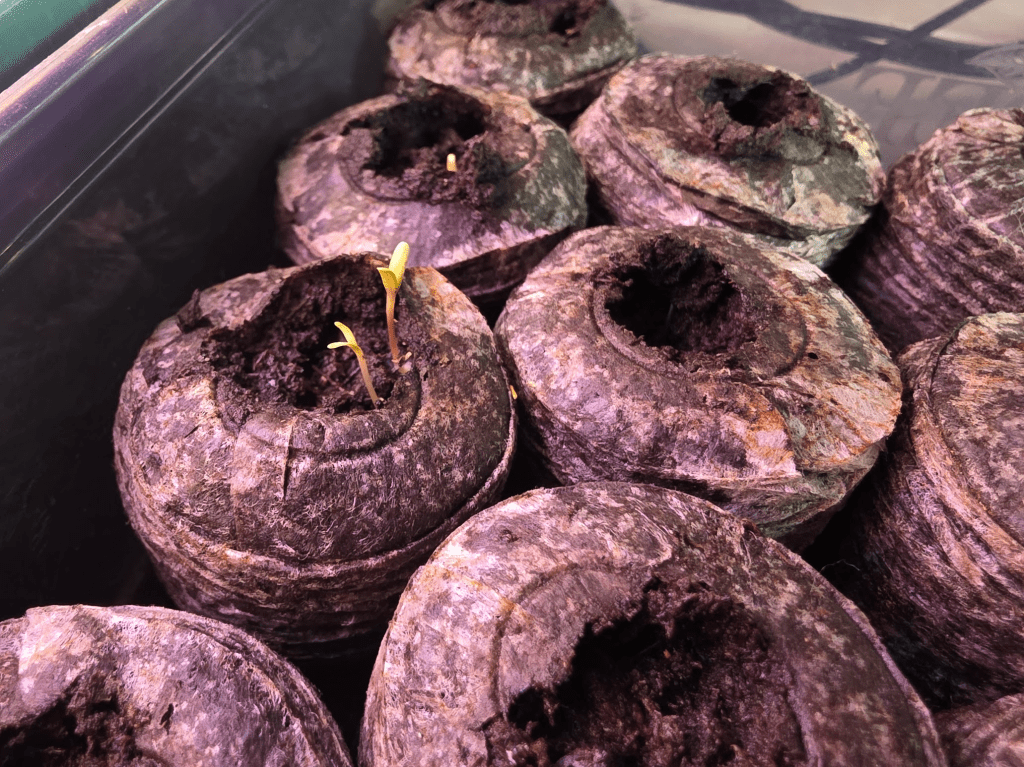
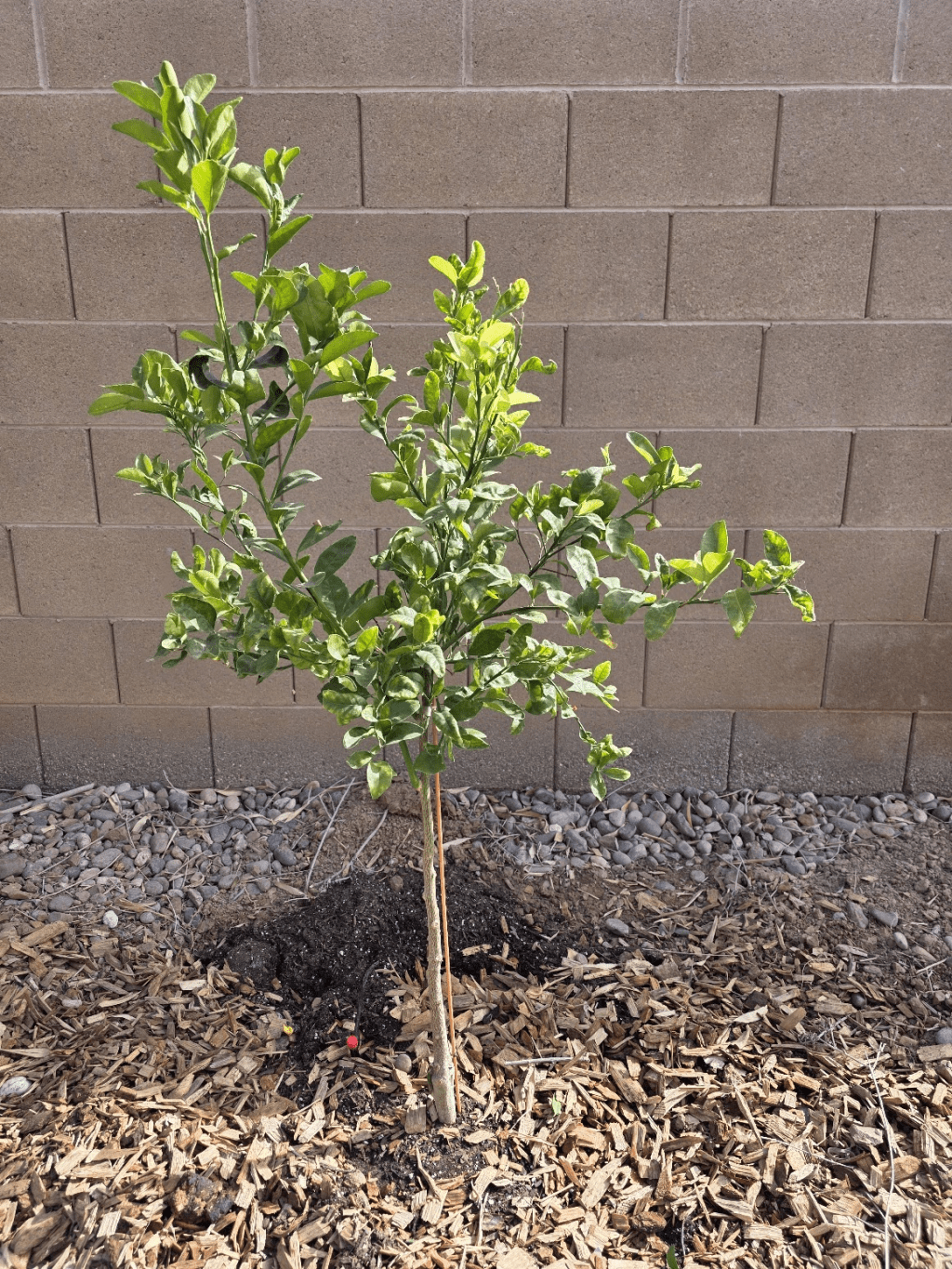
I’ve already expanded the beds again. But this time, I actually have a plan for what to plant, when, and where — something I probably should have done last year instead of chaos gardening.
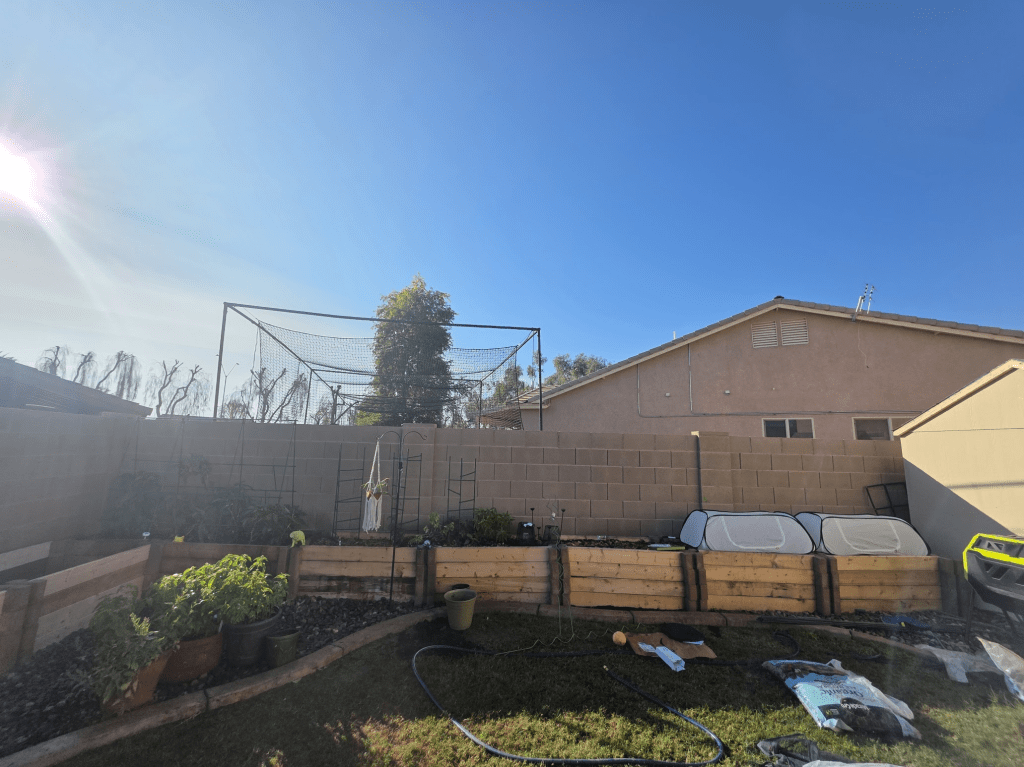
I’m moving forward with more skills, more experience, and a lot of new goals and dreams for my little backyard farm.
Last year taught me that I can grow things.
This year, I want to learn how to grow them better.


 Coop & Crop
Leave a comment