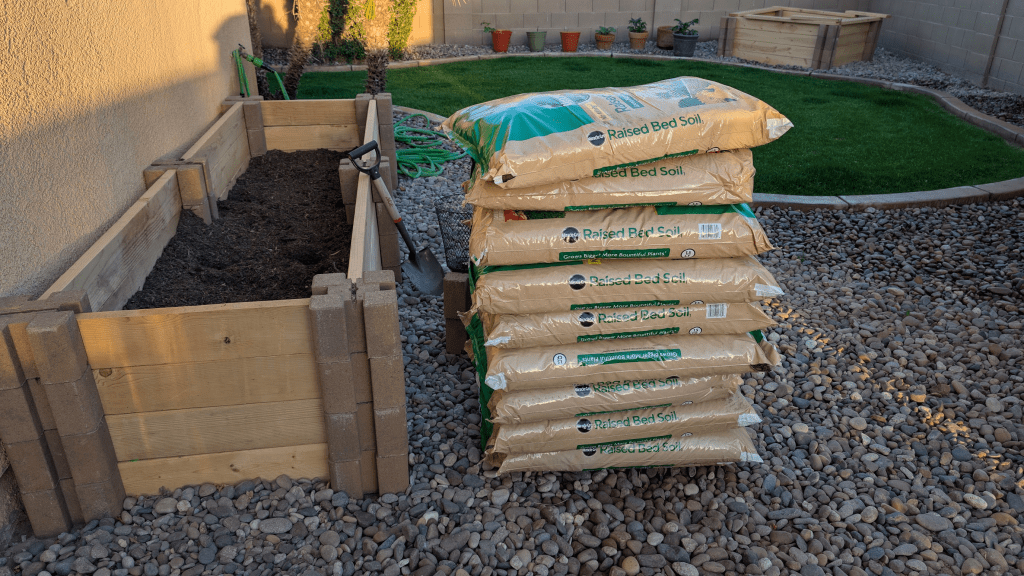
When I first started gardening, it wasn’t part of some grand plan. It was a kitchen experiment.
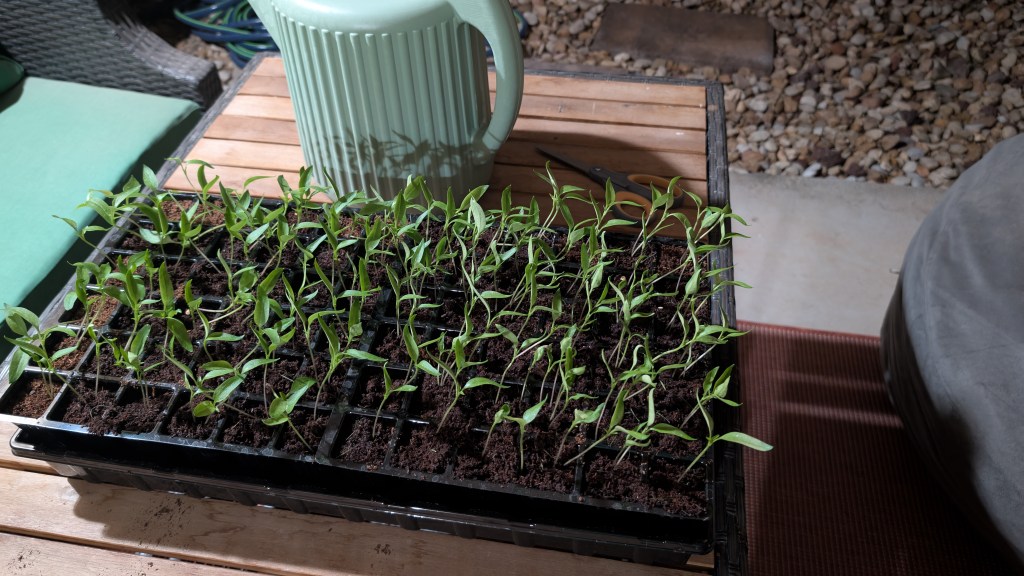
I was making dinner one night, pulling seeds out of a bell pepper, and had a very casual thought: Could I grow more bell peppers from this? That curiosity snowballed (as these things tend to do), and before I knew it, I had trays of seedlings, a growing sense of responsibility, and eventually… a garden in my backyard.
That’s when reality showed up.
The Ground Is… Clay. All Clay.
When it came time to move the garden outside, I quickly learned that the ground in my backyard — at least the only spot that made sense for a garden — is basically solid clay.
I tried everything.
I hoed the hell out of it.
I spent hours on my hands and knees with a trowel.
I hauled in bags of in-ground soil to amend it.
And somehow… no matter what I did… I still just had a bunch of clay.
After reading, watching, and following a lot of other Arizona gardeners, it became clear: this wasn’t a me problem. This was a desert soil problem. The realistic options were:
- Raised beds with imported soil
- Or buying a tractor
And while a tractor sounds amazing, it felt a bit excessive for my very humble 16 feet of garden space. A girl can dream though. 😂
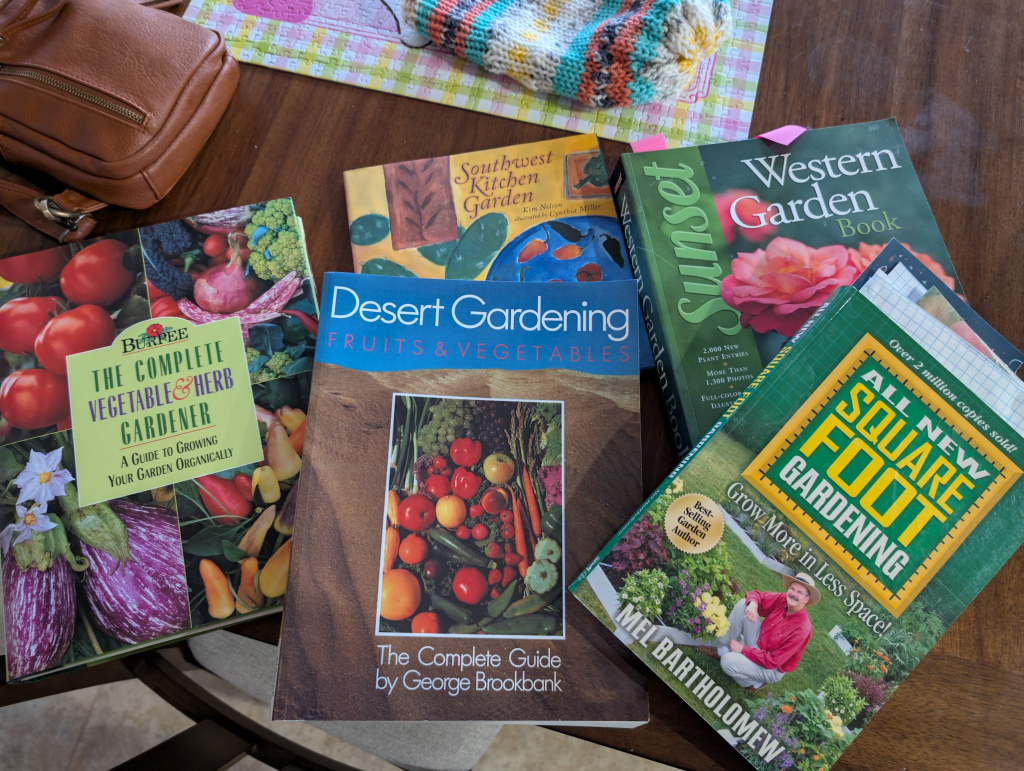
Raised Beds: Cheap to Build, Not Cheap to Fill
Building the raised beds themselves was actually pretty straightforward — and surprisingly affordable. Lumber, screws, a little sweat equity. Easy enough.
Filling them?
That was a different story.
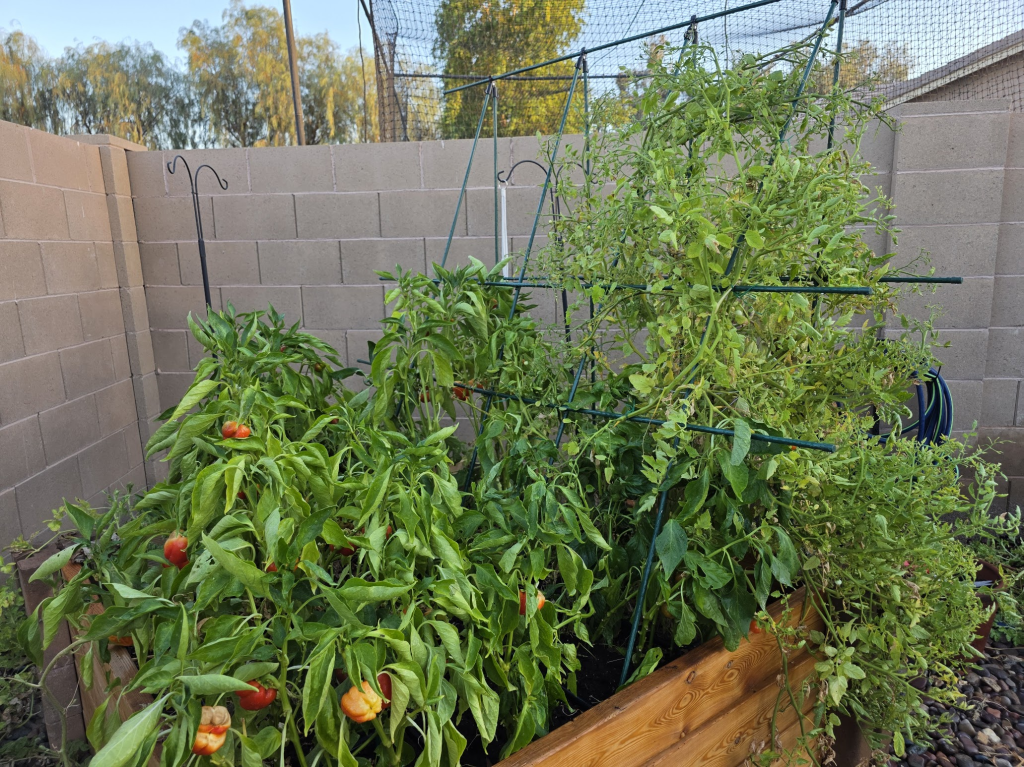
Soil adds up fast, especially when you’re doing it right. I decided on two-foot-tall raised beds, and that decision was very intentional. I didn’t want to be bent over or crawling around on my hands and knees forever. That might be fine today, but I was planning this garden for the future — and future Kristi did not want that life.
The height made gardening more enjoyable, easier to maintain, and way more sustainable long-term. Zero regrets there. But filling them meant twice as much soil, and that really added up.
Welcome to the Sunniest City (and the Heat That Comes With It)
Then there’s the other small detail:
It is hot here.
Like… really hot.
Yuma, AZ is often cited as the sunniest city in the world, with over 4,000 hours of sunshine a year. Which sounds lovely — until you realize your plants can absolutely get too much sun.
During the summer, I had to put up shade cloth because my plants were getting stressed and scorched. Full sun plants still have limits when the sun is relentless and the temperatures are extreme.
Watering also became a bigger deal than I expected. An automatic watering system was a lifesaver, especially during the hottest months. Hand watering just wasn’t realistic every single day.
Long term, I have dreams of building a smart irrigation system — soil moisture sensors in each bed, Wi-Fi connected controls, watering only when specific beds actually need it. I haven’t tackled that yet, but it’s high on my list for this year. (This is Coop & Crop after all — systems belong everywhere.)
Pruning, Stress, and Knowing When to Leave Plants Alone
One of the harder lessons was learning when not to do things.
Pruning is important, but pruning at the wrong time — especially during extreme heat — can seriously stress plants that are already struggling. I had to learn to balance helping plants grow with not pushing them too hard when they were just trying to survive.
Heat stress is real. For plants and for gardeners.
Protecting the Gardener Matters Too
Speaking of heat stress… wow did I learn this one the hard way.
It might be hot out, but you still need to cover up. I got sunburned more times than I care to admit while digging, planting, and weeding.
Eventually I invested in:
- A big, serious garden hat
- Lightweight gloves
- And my mom got me Farmer’s Defense arm sleeves, which are somehow cooler than wearing long sleeves and protect from the sun
Game changers. Desert gardening requires desert gear.
Gardening in Yuma: Know Your Zone
If you’re gardening in Yuma, it helps to understand what you’re working with:
- USDA Hardiness Zone: 10a (sometimes bordering 9b depending on location)
- What that means:
- Extremely mild winters
- Very long growing seasons
- Ability to grow fall, winter, and spring crops that struggle elsewhere
- Summer is survival mode, not growth mode for many plants
In Yuma, gardening isn’t just about what you plant — it’s about when you plant it. Fall and winter gardening can be incredibly productive here, while summer often requires shade, careful watering, and adjusted expectations.
What I’m Still Learning (and Excited About)
This whole thing started as curiosity, and that hasn’t changed. Some of my current learning goals include:
- Soil science — understanding what makes healthy soil, not just buying it
- Companion planting — working with nature instead of fighting it
- Seasonal planning specific to desert climates
- Smarter watering and automation
- And honestly… patience
Gardening in Yuma has taught me that success doesn’t come from forcing things to grow — it comes from adapting, observing, and working with the environment you’re in.
I’m still learning. I’m still experimenting. And I’m more excited than ever about what’s next.
If this garden has taught me anything, it’s that curiosity — whether in the kitchen, the backyard, or a brand new raised bed — is always worth following.


 Coop & Crop
Leave a comment